Protest and repression in Italy
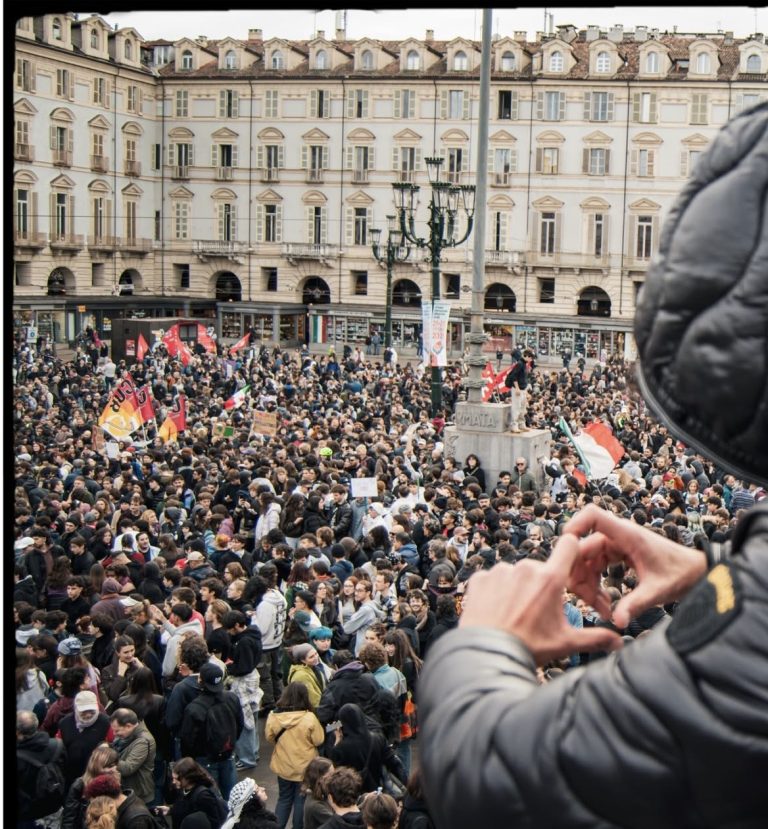
Italy’s major cities were flooded with people on Saturday 24 October, protesting against the rising cost of living, public funding for weapons and war, and disinvestment in healthcare and education. Some of the demonstrations were formally authorised, and others were autonomous.
While there was no reported looting, clashes with the police occurred in Bologna, Turin, and Rome. The police attempted to disperse protesters using water cannons, batons and tear gas.
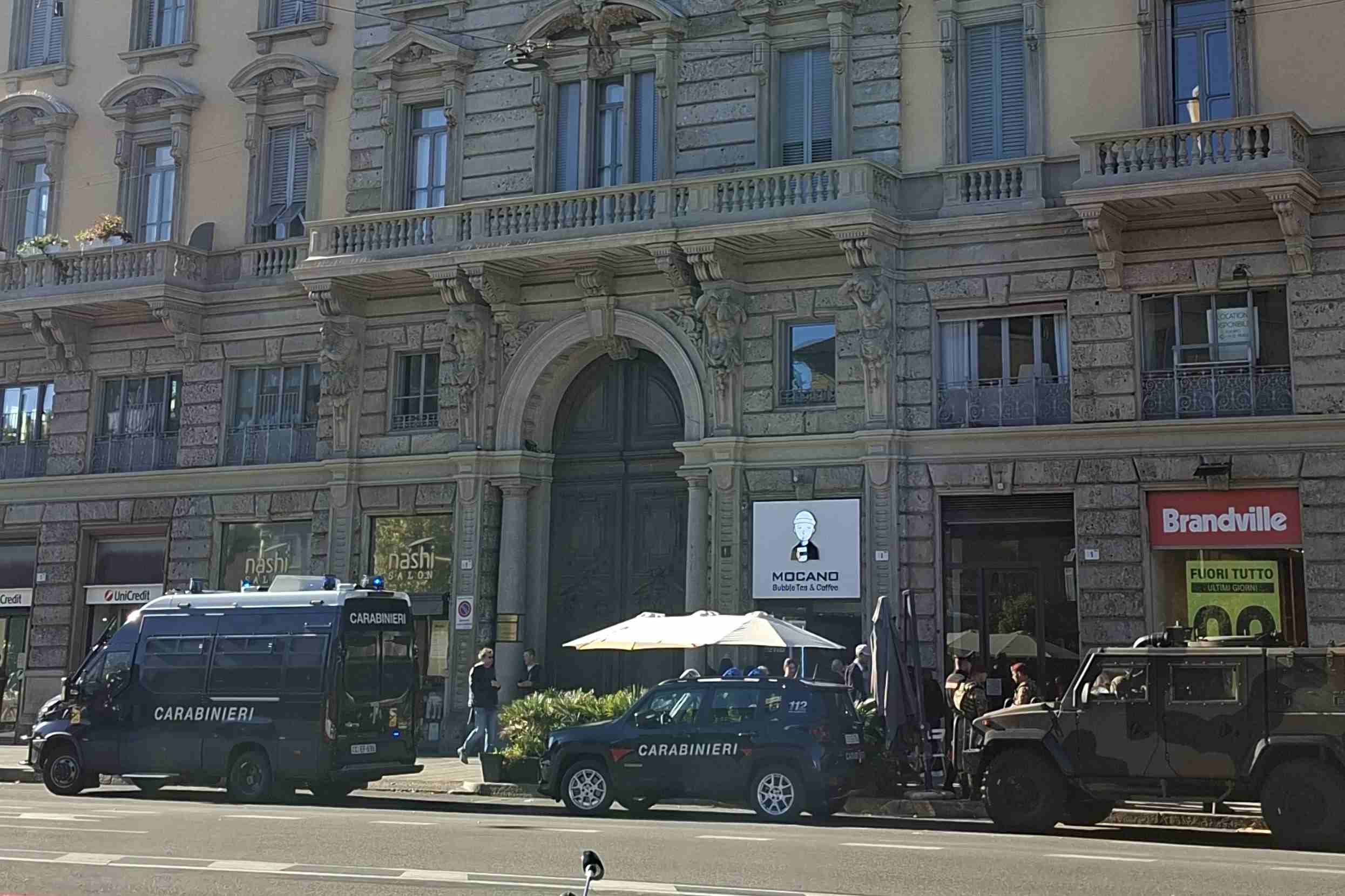
Milan appeared as if under military siege. State forces were not only police and Carabinieri but also army soldiers, including 500 paratroopers from the Folgore Brigade, while dozens of military vehicles and vans were visible throughout the streets. Around 2,900 people were stopped and identified for preventive purposes, often based on racial profiling.
Following the protests on 17 October, when some young people looted shops in Milan, the government and mainstream media instrumentalised the incident to shift attention away from the protests and justify new repressive measures.
Faced with growing dissatisfaction, frustration and anger among the Italian population, the Meloni government’s only response has been to tighten or extend the already repressive measures it has introduced since 2022.
One such measure involves extending preventive detention to cases in which the police consider an individual a potential threat to public order, even in the absence of any demonstrated violent behaviour. The measure also applies to minors. It raises similar concerns to the DDL Sicurezza (Security Bill) introduced by Meloni in 2025, which included stricter penalties for certain activities including those associated with public demonstrations and peaceful forms of protests.
For the government, Saturday’s protests were an opportunity to propagate a view of protests as terrorist acts, and protesters as inherently violent and brutal, people who must be contained and controlled through the visible presence of military vehicles and security personnel.
No political dialogue has been initiated by the institutions. No social, political, cultural or economic measures have been taken to improve citizens’ living conditions. Instead, the gap between society and the political elite in power has widened. We are still far from victory.
The post Protest and repression in Italy appeared first on Freedom Press.


